A Silicon Carbide Crystal Growth Device That Prevents Premature
2024-11-15
Sublimation of Silicon Vapor What is the background of the invention?
Silicon carbide (SiC) crystals are typically grown using the physical vapor transport (PVT) method at high temperatures. In this process, the vapor components of silicon and carbon sublimate from a raw material chamber within a crucible and deposit onto a seed crystal to form the crystal. However, since the sublimation temperature of silicon is lower than that of carbon, silicon vapor tends to sublimate first during the initial heating phase and may deposit on the surface of the seed crystal, leading to defects such as micropipes. Traditional methods necessitate the removal of defects at the crystal’s head, which adversely affects the effective thickness. What is the main objective of the invention? The primary goal of this invention is to enhance the growth quality of silicon carbide crystals by preventing the premature deposition of sublimated silicon vapor on the seed crystal through a controlled flow system. The device achieves this by incorporating a specifically designed crucible lid, flow hood, and silicon carbide substrate, effectively blocking the early influence of silicon vapor on the crystal. What are the main components of the device? The device comprises the following components:
- Crucible Body (100): A container for placing silicon carbide raw materials.
- Crucible Lid (200): Detachably connected to the top of the crucible body, together forming a sealed raw material chamber.
- Seed Crystal Holder (300) and Seed Crystal (400): The seed crystal holder is fixed within the crucible lid and is designed to hold the seed crystal, which is the core component for silicon carbide crystal growth.
- Flow Hood (500): Positioned within the raw material chamber and covering the seed crystal, it features a flow opening at the bottom and an open top. The flow hood’s function is to guide the vaporized silicon and carbon uniformly toward the seed crystal.
- Silicon Carbide Substrate (600): A thin sheet that seals the flow opening, which melts and drops off when the temperature increases, thereby opening the flow path for vapor passage. How does the device operate? The patent outlines the operational process of the device, which is divided into two phases: early and later stages of crystal growth.
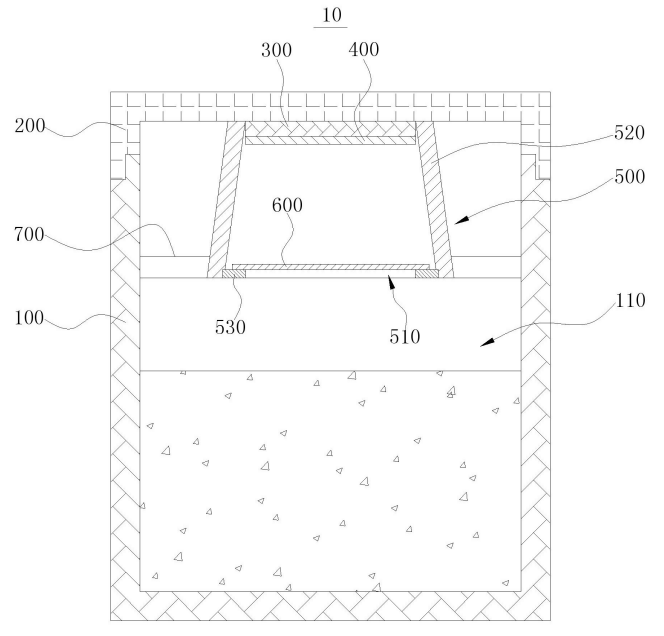
Figure 1: Schematic diagram of the structure of a silicon carbide crystal growth apparatus designed to prevent the deposition of pre-sublimated silicon vapor
- Initial Stage of Crystal Growth:
- Silicon Vapor Barrier: The silicon carbide substrate (600) is placed at the bottom of the flow hood to seal the flow opening. In the early heating phase, silicon vapor, generated at a lower sublimation temperature, is blocked by the substrate, preventing it from rising and causing deposition on the substrate’s underside.
- Separation of Silicon and Carbon: Thanks to the barrier effect of the silicon carbide substrate, silicon vapor does not contact the seed crystal, thereby avoiding deposition on the seed and preventing defect formation.
- Later Stage of Crystal Growth:
- Substrate Melting and Dropping: As the temperature rises to the melting point of the silicon carbide substrate, it melts and drops off, opening the flow path.
- Uniform Vapor Transport: At this point, both sublimated silicon and carbon vapors can rise through the opened flow path, flowing uniformly toward the seed crystal to ensure normal silicon carbide crystal growth. What are the key designs and advantages of the device? This device achieves its goal of preventing early silicon vapor deposition through several innovative design features:
- Silicon Carbide Substrate Configuration: This substrate serves as a barrier, ensuring that silicon vapor does not prematurely contact the seed crystal. Additionally, once the substrate drops, it can serve as raw material for crystal growth without contaminating the atmosphere within the crucible.
- Flow Hood and Support Ring Design: The support ring at the bottom of the flow hood supports the outer edge of the substrate, facilitating its drop after melting. This support ring is detachable, making operations easier and enhancing structural stability.
- Guide Slopes (533) Design: As the edges of the substrate melt, the guide slopes ensure its natural dropping, facilitating the smooth opening of the flow path.
- Convenience of Disassembly: Both the flow hood and support ring are detachable, making the device easy to assemble and maintain, and allowing for multiple cycles of silicon carbide crystal growth. What are the application effects and values of the device? The design of this device significantly enhances the effective thickness of silicon carbide crystals while reducing early growth defects. The dropped substrate avoids contamination from impurities and improves raw material utilization. This controllable sublimation flow system effectively optimizes the atmospheric environment for crystal growth, providing technical support for the preparation of high-quality silicon carbide crystals.
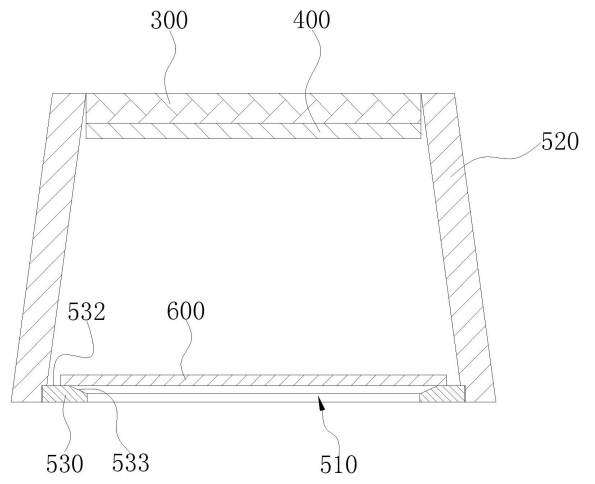
Figure 2: Schematic diagram of the local structure at the shroud
Silicon Carbide Ceramics: A Key Material Driving Industrial Advancement
Semicorex | Innovative technology for Isostatic Graphite
Related Article
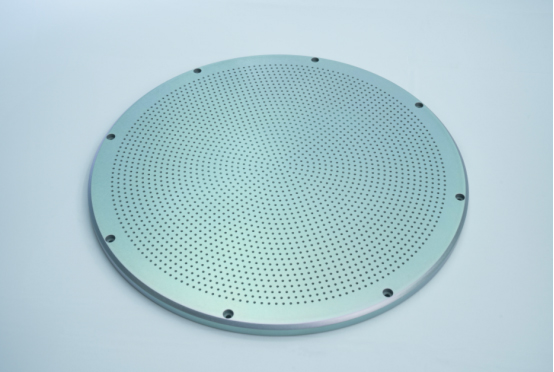
The gas distribution plate can also be translated as a shower head. It looks like a shower head, but its price can be as high as hundreds of thousands, which is much higher than the shower head in your bathroom.
The Showerheads of the Semiconductor Industry
Graphite is a high-energy crystalline carbon material known for its unique structure and properties such as electrical and thermal conductivity, lubrication, high-temperature resistance, and chemical stability.
Purification Methods of Graphite Materials