
What is the Difference Between Graphitization and Carbonization?
2024-12-05
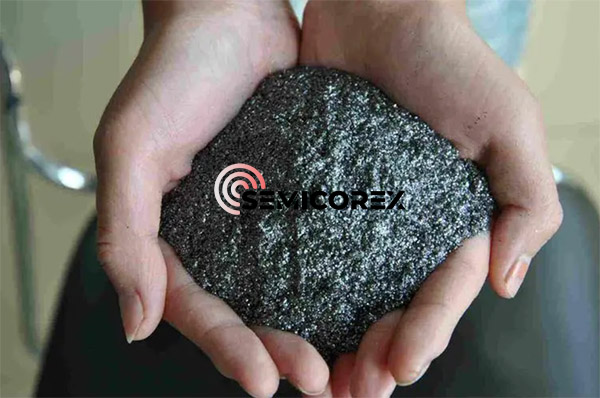
What is Graphitization?
Graphitization is an industrial process in which carbon is transformed into graphite. This involves a microstructural change occurring in carbonaceous or low-alloy steels when exposed to temperatures between 425 to 550 degrees Celsius for extended periods, such as a thousand hours. This results in embrittlement. For example, the microstructure of carbon molybdenum steel typically includes pearlite (a mixture of ferrite and cementite). Upon graphitization, the pearlite decomposes into ferrite and randomly dispersed graphite, leading to embrittlement of the steel and a moderate reduction in strength due to the random distribution of graphite particles throughout the matrix. However, we can prevent graphitization by using materials with higher resistance that are less susceptible to this process. Additionally, modifying the environment, such as increasing the pH or reducing chloride content, can help. Another method to prevent graphitization involves using coatings, such as cathodic protection for cast iron.
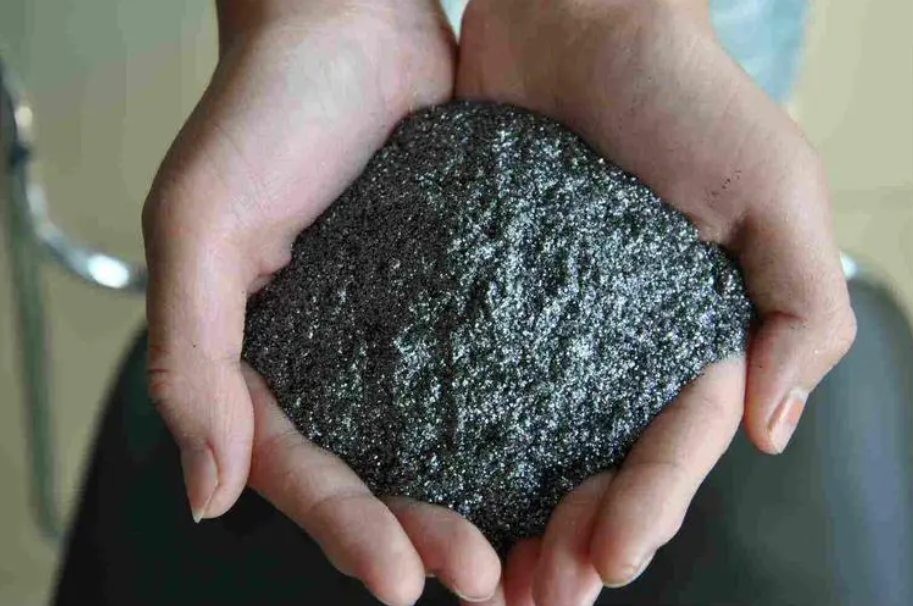
What is Carbonization?
Carbonization is an industrial process where organic matter is converted into carbon. The organic materials considered here include plant and animal remains. This process occurs through destructive distillation, a pyrolysis reaction regarded as complex, involving numerous simultaneous chemical reactions such as dehydrogenation, condensation, hydrogen transfer, and isomerization. Carbonization differs from graphitization as it is a much faster process, with reaction rates several orders of magnitude quicker. The degree of carbonization and the residual content of foreign elements can be controlled by the applied heat. For instance, at a temperature of 1200K, the carbon content of the residue is about 90% by weight, whereas at about 1600K, the carbon content is approximately 99% by weight. Typically, carbonization is an exothermic reaction, which can become self-sustaining and serve as an energy source without producing any traces of carbon dioxide gas. However, if biological materials are subjected to sudden thermal changes, such as during a nuclear explosion, they carbonize almost instantaneously, converting into solid carbon.
What is the Difference Between Graphitization and Carbonization?
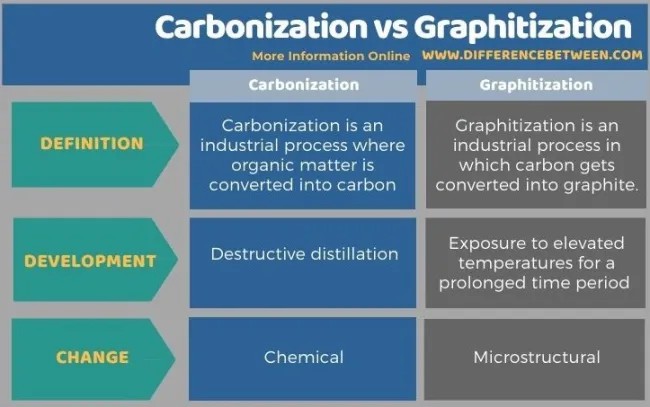
Graphitization and carbonization are both industrial processes involving carbon as a reactant or product. However, carbonization refers to the conversion of organic matter into carbon, while graphitization involves the transformation of carbon into graphite. Thus, carbonization is a chemical change, whereas graphitization is a microstructural change.
Semicorex offers high-purity Specicalty Graphite solutions for Semiconductor and Photovoltaic processes. If you have any inquiries or need additional details, please don't hesitate to get in touch with us.
Contact phone # +86-13567891907
Email: sales@semicorex.com
Purification Methods of Graphite Materials
Silicon Carbide Ceramics: A Key Material Driving Industrial Advancement
Related Article
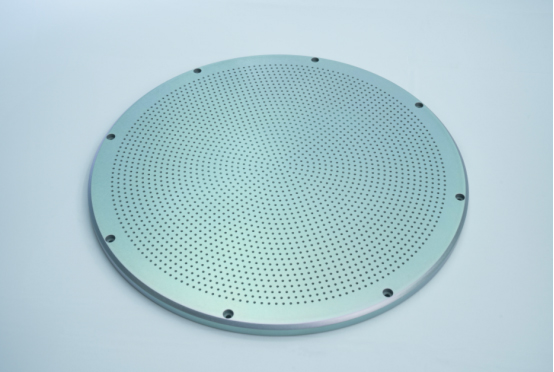
The gas distribution plate can also be translated as a shower head. It looks like a shower head, but its price can be as high as hundreds of thousands, which is much higher than the shower head in your bathroom.
The Showerheads of the Semiconductor Industry
Graphite is a high-energy crystalline carbon material known for its unique structure and properties such as electrical and thermal conductivity, lubrication, high-temperature resistance, and chemical stability.
Purification Methods of Graphite Materials
Silicon carbide ceramics are highly suitable for applications in chemical machinery, energy and environmental protection, semiconductors, metallurgy, national defense, and military industries.
Silicon Carbide Ceramics: A Key Material Driving Industrial Advancement
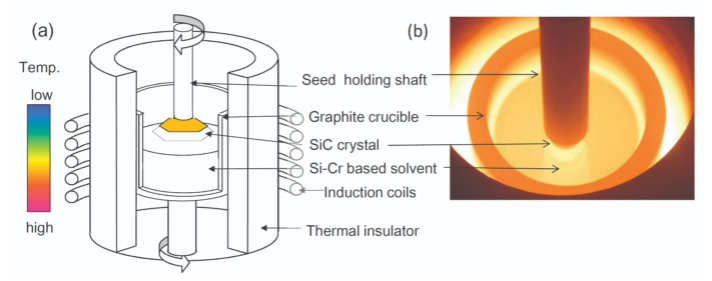
Silicon carbide (SiC) crystals are typically grown using the physical vapor transport (PVT) method at high temperatures. In this process, the vapor components of silicon and carbon sublimate from a raw material chamber within a crucible and deposit onto a seed crystal to form the crystal.
A Silicon Carbide Crystal Growth Device That Prevents Premature