
Silicon Carbide Ceramics: A Key Material Driving Industrial Advancement
2024-11-29
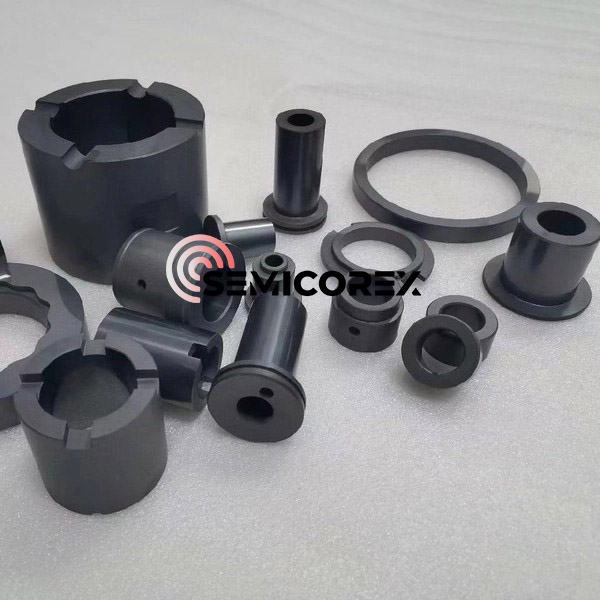
Silicon carbide ceramics are renowned for their stable chemical properties, high temperature resistance, wear resistance, corrosion resistance, high thermal conductivity, low thermal expansion coefficient, low density, and high mechanical strength. These attributes make them highly suitable for applications in chemical machinery, energy and environmental protection, semiconductors, metallurgy, national defense, and military industries.
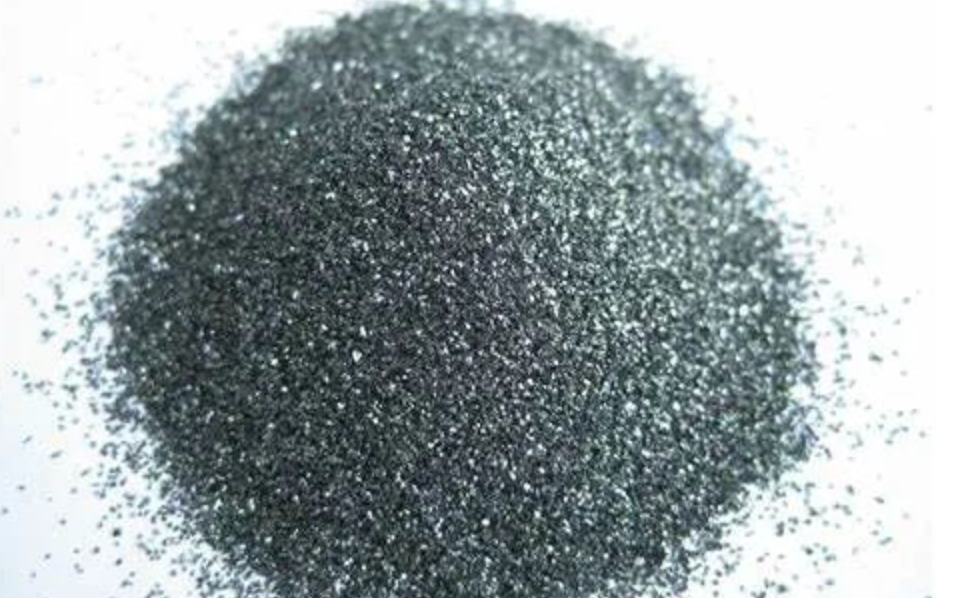
In Which High-Temperature Applications Are Silicon Carbide Ceramics Used?
Silicon carbide ceramics serve as materials for high-temperature kiln components, such as silicon carbide beams, cold air pipes, and roller rods. Due to their excellent high-temperature strength and resistance to thermal shock, they have become one of the primary materials for components in rockets, aircraft, automotive engines, and gas turbines, mainly used as static thermal engine parts.
How Are Silicon Carbide Ceramics Utilized in Heating and Heat Exchange Sectors?
With outstanding high-temperature performance and high thermal conductivity, silicon carbide ceramics have a thermal conductivity twice that of tantalum, five times that of stainless steel, and ten times that of Hastelloy. As a result, they are widely used in the heat exchange systems of industrial kilns in the steel and metallurgy industries, such as silicon carbide nozzles, heat exchangers, radiant tubes, and thermocouple protection tubes.
What Are the Applications of Silicon Carbide Ceramics in Corrosive Environments?
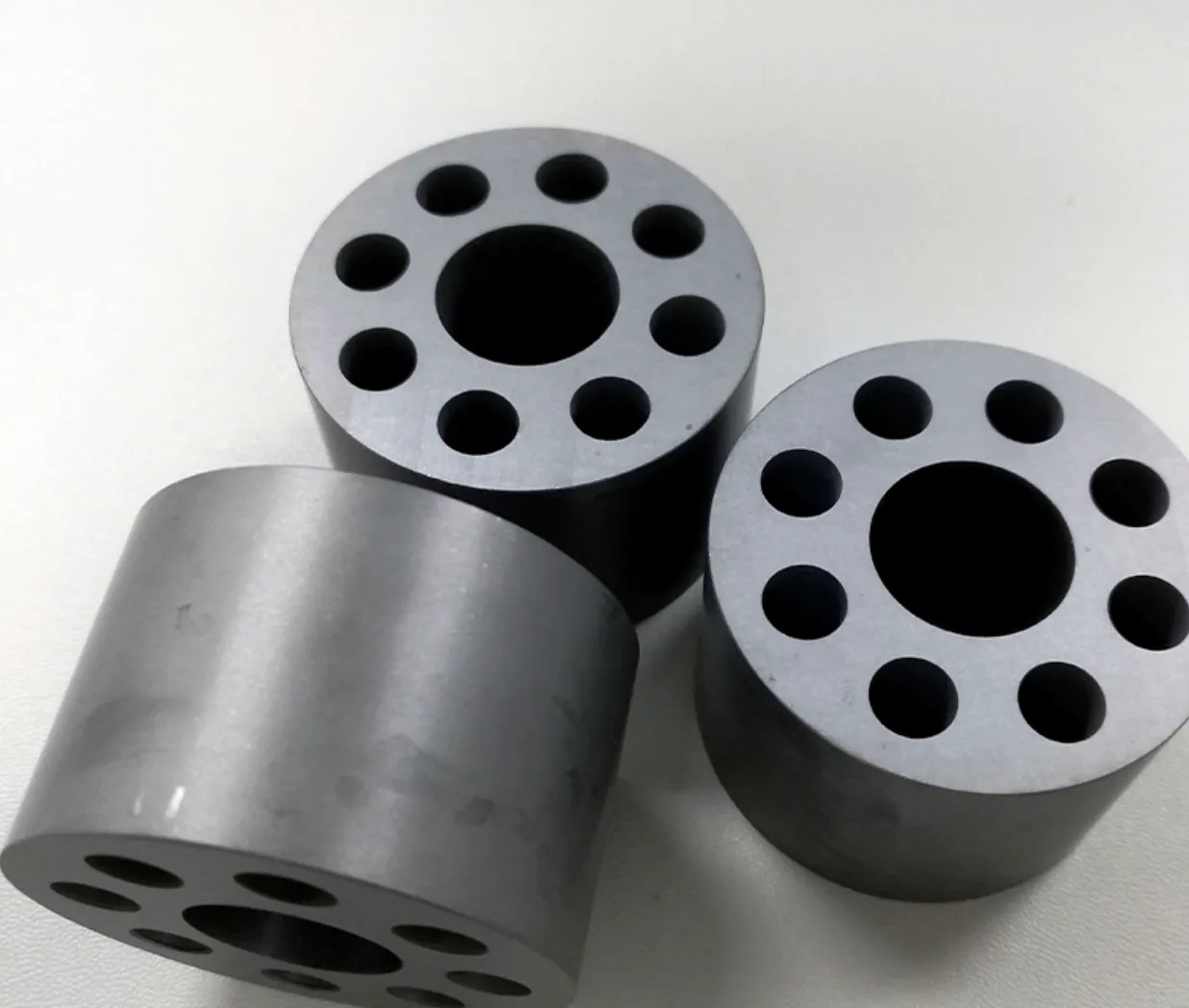
Desulfurization nozzles are crucial components in flue gas desulfurization systems of thermal power plants and large boilers, operating in environments filled with highly corrosive gases or liquids. Silicon carbide ceramic materials, known for their excellent chemical and physical stability, are suitable for producing desulfurization nozzles. Additionally, various components in magnetic and shielded pumps used in the chemical industry frequently employ silicon carbide ceramics. These pumps, operating in corrosive media such as organic compounds, acids, alkalis, and salts, require long-term maintenance-free operation (approximately 5 to 8 years) and demand corrosion resistance, wear resistance, and zero leakage, making pressureless sintered silicon carbide the material of choice.
Why Is Silicon Carbide Ideal for Wear-Resistant Mechanical Applications?
The high hardness and low friction coefficient of silicon carbide endow it with excellent wear resistance, making it particularly suitable for conditions involving sliding friction and wear. Silicon carbide can be manufactured into seals of various shapes with high dimensional accuracy and surface finish, used as mechanical seals in harsh environments with features such as good airtightness and long service life. Moreover, carbon is often used as a sintering aid in solid-phase pressureless sintered silicon carbide, enhancing the material’s lubricity and extending its service life.
How Does Silicon Carbide Contribute to National Defense and Military Applications?
Silicon carbide ceramics are considered one of the most promising materials for high-performance bulletproof armor. Their hardness is second only to diamond and boron carbide, with a Mohs hardness of 9.2 to 9.6. The advantages of silicon carbide include high hardness and high elastic modulus, leading to their increasing application in armor protection for individual equipment, army armored weapon platforms, armed helicopters, and special police and civilian vehicles.
What Is the Role of Silicon Carbide Ceramics in the Nuclear Industry?
Zirconium alloys have traditionally been used as cladding material for nuclear fuel rods. However, under high temperatures, zirconium alloys react with water, accelerating the reaction under prolonged high burn-up conditions and producing large amounts of gas, leading to hydrogen explosions. Currently, research is focusing on replacing zirconium alloys with SiC/Cf composites as cladding materials. Compared to zirconium alloys, the main advantages of SiC-based fuel cladding include low thermal neutron absorption cross-section, improved fuel enrichment and longevity, maintenance of high strength and low corrosion rate upon temperature increase, slow degradation of material performance under severe accident conditions, absence of melting, reduced corrosion rate, and minimal or no hydrogen production.
What is the Difference Between Graphitization and Carbonization?
A Silicon Carbide Crystal Growth Device That Prevents Premature
Related Article
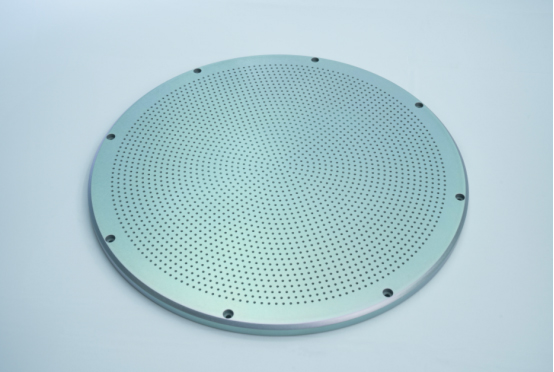
The gas distribution plate can also be translated as a shower head. It looks like a shower head, but its price can be as high as hundreds of thousands, which is much higher than the shower head in your bathroom.
The Showerheads of the Semiconductor Industry
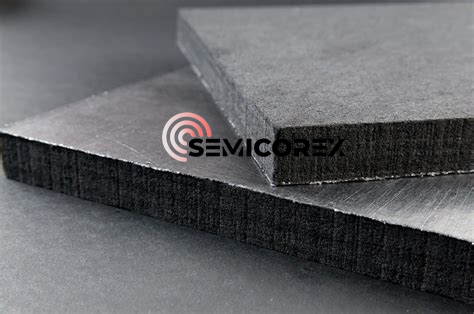
Graphite is a high-energy crystalline carbon material known for its unique structure and properties such as electrical and thermal conductivity, lubrication, high-temperature resistance, and chemical stability.
Purification Methods of Graphite Materials
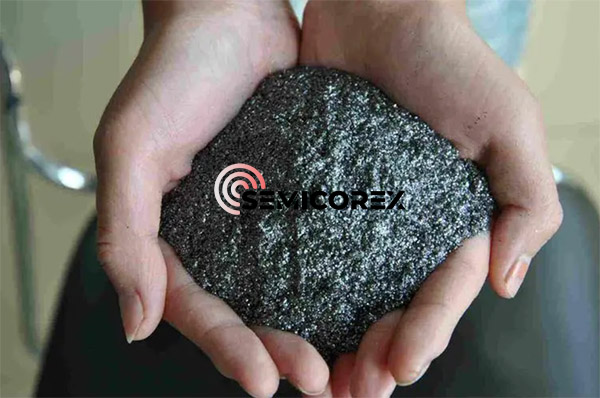
By definition, carbonization implies heat treatment at temperatures of 1700C or less, whereas graphitization means heat treating to higher temperatures, often approaching 3000C. During this final heat treatment.
What is the Difference Between Graphitization and Carbonization?
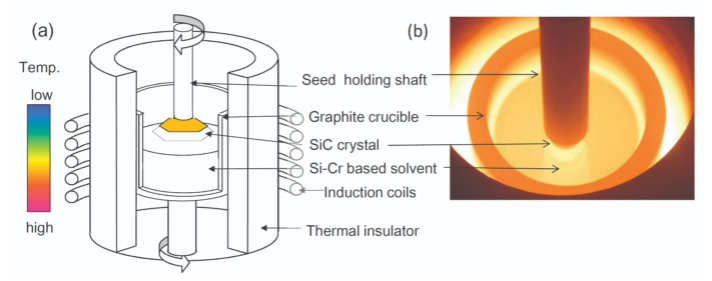
Silicon carbide (SiC) crystals are typically grown using the physical vapor transport (PVT) method at high temperatures. In this process, the vapor components of silicon and carbon sublimate from a raw material chamber within a crucible and deposit onto a seed crystal to form the crystal.
A Silicon Carbide Crystal Growth Device That Prevents Premature