
Purification Methods of Graphite Materials
2024-12-16
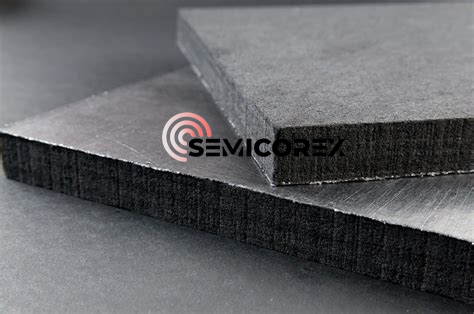
Graphite is a high-energy crystalline carbon material known for its unique structure and properties such as electrical and thermal conductivity, lubrication, high-temperature resistance, and chemical stability. These characteristics make it highly valuable in high-performance materials and widely used across various sectors including metallurgy, machinery, environmental protection, chemical industry, refractories, electronics, medicine, military, and aerospace. The process of graphite purification is intricate, with primary methods including flotation, alkali-acid process, hydrofluoric acid treatment, high-temperature purification, and chlorination roasting.
Flotation Method
Typically, flotation is used as the first step in the purification of graphite. To achieve high-purity graphite, further chemical or high-temperature processes are necessary.
The principle of flotation relies on the differences in surface properties of minerals. After treating the ore with flotation reagents, minerals selectively adhere to bubbles, separating valuable minerals from gangue. Graphite, when in contact with water, is not easily wetted, and its excellent suspendability makes it relatively easy to separate.
Advantages: Low energy consumption and reagent usage, resulting in lower costs.
Disadvantages: The grade of graphite can only reach a certain range, and the recovery rate is low.
Alkali-Acid Process
The alkali-acid two-step process is widely applied and well-established in the chemical purification of graphite.
The alkali-acid process involves mixing NaOH with graphite in a specific ratio and calcining at 500~700°C. Impurities in the graphite, such as silicates, aluminosilicates, and quartz, react with sodium hydroxide to form soluble sodium silicate or acid-soluble aluminosilicates, which are then removed with water washing to achieve desiliconization.
Other impurities, such as metal oxides, remain in the graphite after alkali immersion. The desiliconized product is then leached with acid, converting metal oxides into soluble metal compounds. Carbonates and other impurities in the graphite, as well as acid-soluble compounds formed during the alkali immersion, react with acid and enter the liquid phase, separating from the graphite through filtration and washing.
Advantages: Low initial investment, high product grade, strong process adaptability, and conventional, versatile equipment.
Disadvantages: High-temperature calcination, high energy consumption, long reaction times, severe equipment corrosion, significant graphite loss, and severe wastewater pollution.

Hydrofluoric Acid Process
Graphite has excellent acid resistance, particularly to hydrofluoric acid. The hydrofluoric acid process is particularly suitable for treating graphite with high mica content.
The principle of the hydrofluoric acid process is to utilize the reaction between the main impurities in graphite, such as silicate rocks, and hydrofluoric acid to form fluosilicic acid (or salts), which are then removed with the solution, resulting in high-purity graphite.
However, hydrofluoric acid reacts with CaO, MgO, Fe2O3, etc., to form precipitates. To address the precipitation issue, adding small amounts of fluosilicic acid, dilute hydrochloric acid, nitric acid, or sulfuric acid to hydrofluoric acid can remove the interference of impurity elements such as Ca, Mg, and Fe.
Advantages: High impurity removal efficiency, high-grade product, minimal impact on graphite product performance, and low energy consumption.
Disadvantages: Hydrofluoric acid is highly toxic and corrosive, requiring strict safety precautions during production, and environmental protection investments significantly offset the benefits of the hydrofluoric acid process.
High-Temperature Process
Graphite has a high melting and boiling point, much higher than that of silicate materials. The boiling point of silicate is around 2750°C, while the boiling point of graphite is 4500°C, and the melting point is 3850±50°C.
The high-temperature process takes advantage of the difference in melting and boiling points. Graphite is placed in a graphite crucible and heated to 2700°C under a specific atmosphere, allowing impurities to vaporize and escape from the graphite, achieving purification.
Advantages: This method can yield ultra-high purity graphite with a purity of up to 99.99%.
Disadvantages: It requires a substantial investment, and the production process must be air-tight with stringent requirements for electric furnace heating.

Chlorination Roasting Process
Chlorination roasting takes advantage of the higher melting and boiling points of impurity oxides compared to their chlorides.
The chlorination roasting process involves adding a certain amount of reducing agent to the graphite, then introducing chlorine gas at a certain temperature and atmosphere, allowing it to react with impurities in the graphite. The impurities are ultimately converted into gaseous or condensed metal chlorides and complexes, separating from the graphite and achieving the goal of obtaining high-purity graphite.
Advantages: Energy-saving, high recovery rate, and effective purification.
Disadvantages: Chlorine gas is toxic and can cause harm to operators during production. It is highly corrosive and pollutes the environment. Additionally, the process stability is insufficient, and the purity of the resulting graphite product is limited, which restricts its industrial application.
Semicorex offers high-purity Specicalty Graphite solutions for Semiconductor and Photovoltaic processes. If you have any inquiries or need additional details, please don't hesitate to get in touch with us.
Contact phone # +86-13567891907
Email: sales@semicorex.com
The Showerheads of the Semiconductor Industry
What is the Difference Between Graphitization and Carbonization?
Related Article
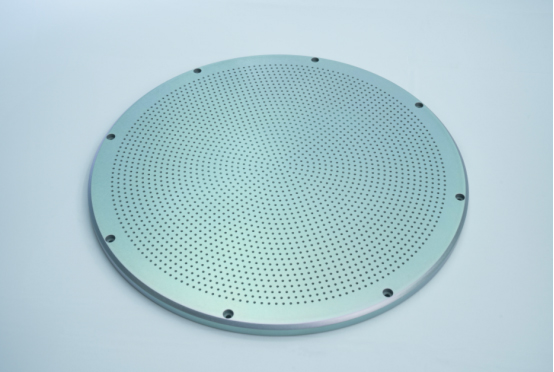
The gas distribution plate can also be translated as a shower head. It looks like a shower head, but its price can be as high as hundreds of thousands, which is much higher than the shower head in your bathroom.
The Showerheads of the Semiconductor Industry
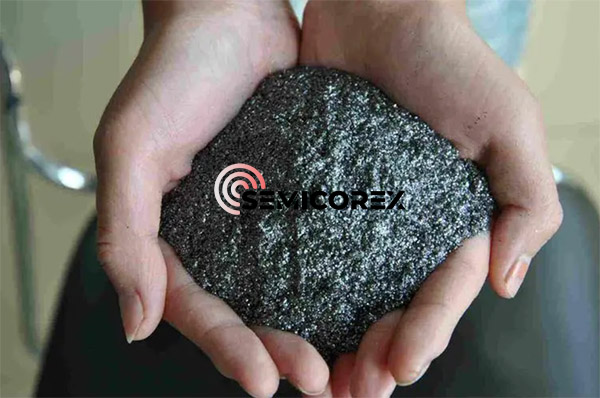
By definition, carbonization implies heat treatment at temperatures of 1700C or less, whereas graphitization means heat treating to higher temperatures, often approaching 3000C. During this final heat treatment.
What is the Difference Between Graphitization and Carbonization?
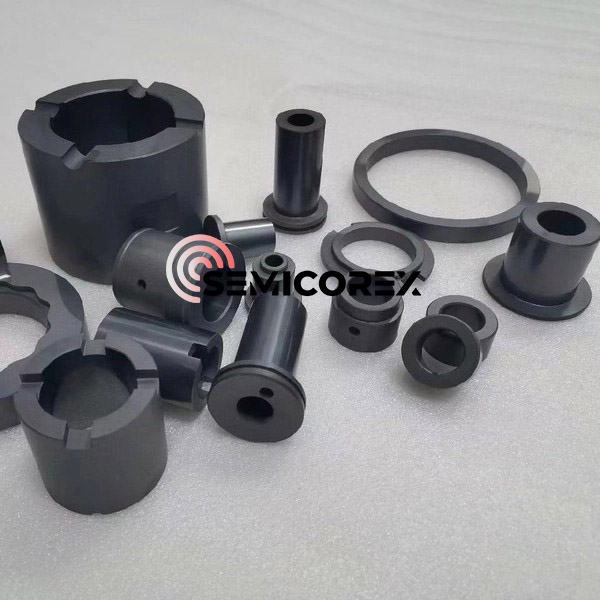
Silicon carbide ceramics are highly suitable for applications in chemical machinery, energy and environmental protection, semiconductors, metallurgy, national defense, and military industries.
Silicon Carbide Ceramics: A Key Material Driving Industrial Advancement
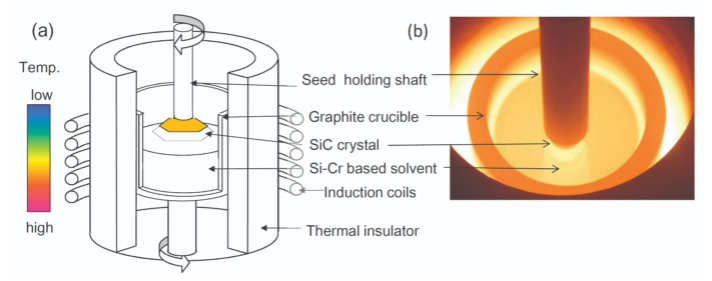
Silicon carbide (SiC) crystals are typically grown using the physical vapor transport (PVT) method at high temperatures. In this process, the vapor components of silicon and carbon sublimate from a raw material chamber within a crucible and deposit onto a seed crystal to form the crystal.
A Silicon Carbide Crystal Growth Device That Prevents Premature