Crystal Growth in Chip Manufacturing - Crystalline Control
Crystalline Forms and Structures of Silicon Carbide
Silicon carbide (SiC) exhibits several crystal forms, with the most common being 3C (cubic), 4H, 6H, and 15R. The distinctions among these forms primarily relate to the arrangement of silicon-carbon (Si-C) units within hexagonal double layers. This structural arrangement informs both the crystal structure and the properties of silicon carbide. Additionally, the (0001) face of silicon carbide can feature either a carbon termination layer or a silicon termination layer, depending on the type of terminating atom involved.
The Problem of Crystal Inclusions
Crystal inclusions present significant challenges during the growth of silicon carbide substrates. These inclusions can restrict the growth diameter of single-crystal silicon carbide and may serve as nucleation sites for other defects, leading to a reduction in crystal quality. A key reason for the formation of crystal inclusions is their low stacking fault energy, which requires careful control of thermal and dynamic conditions throughout the growth process.
Factors Affecting Crystal Inclusions
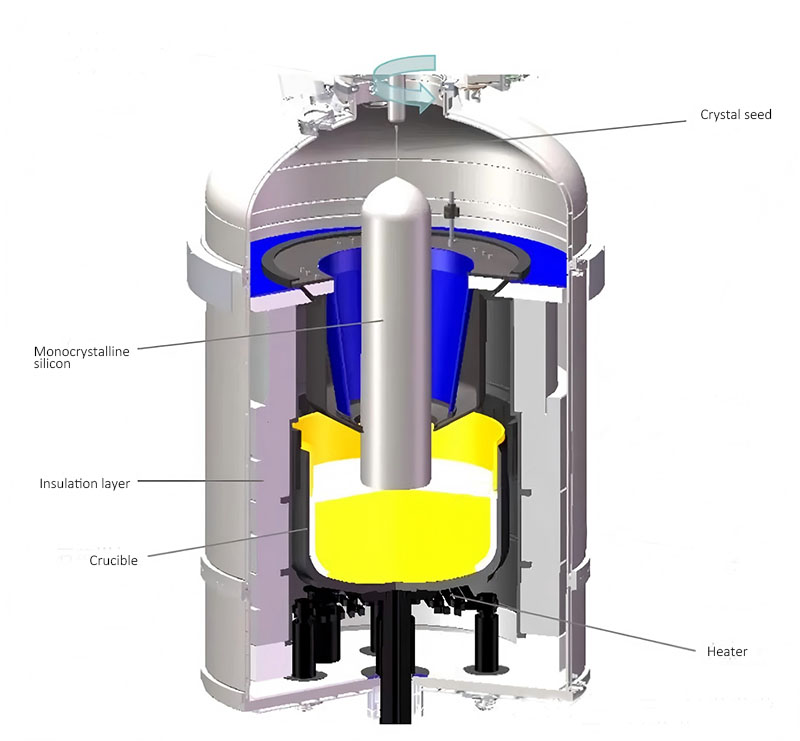
1. Thermal Conditions and Growth Pressure: Accurate regulation of thermal conditions and growth pressure is essential to minimizing crystal inclusions. This can be achieved by meticulously designing the growth chamber and paying close attention to the installation of the seed crystal.
2. Surface Polarity of the Seed Crystal: The polarity of the seed crystal's surface significantly influences the crystal form during silicon carbide growth. Different crystal planes possess varying surface energies, leading to the preferential growth of the 4H crystal form on the carbon plane, which has a lower surface energy, while the 6H form preferentially grows on the silicon plane, which has a higher surface energy.
3. Gas Supersaturation: Supersaturation is a crucial factor affecting the transformation of crystal forms. High levels of supersaturation, along with a specific silicon-to-carbon (Si/C) vapor ratio, are vital for the formation of the 4H crystal form.
4. Stoichiometric Ratio of the Gas Phase: The Si/C ratio directly impacts the stability of the crystal form and the conditions under which growth occurs.
5. Impurity Levels: Impurities within the raw materials for silicon carbide, such as scandium and cerium from rare earth elements, as well as nitrogen doping in the crystal lattice, can influence the stability of the crystal form. These impurities may alter the level of carbon enrichment in the vapor or modify the surface energy of the nucleus.
The Relationship Between Crystal Form Control and Growth Conditions
The nucleation of different silicon carbide crystal forms is strongly linked to the growth temperature. For instance, 3C-SiC can be grown at lower temperatures, while the hexagonal crystal forms require higher growth temperatures. However, due to the minimal energy differences among various crystal forms, controlling the transformation of these forms solely through temperature adjustments is quite challenging. Therefore, a comprehensive consideration of multiple parameters—including supersaturation, the Si/C ratio in the gas phase, temperature gradients, and the pressure within the reaction chamber—is essential for managing the stability and transformation of the crystal form.
Controlling the crystal form of silicon carbide is a multifaceted process influenced by various factors. Precise management of parameters such as thermal conditions, growth pressure, the surface polarity of seed crystals, gas supersaturation, and the stoichiometric ratio of the gas phase is essential for reducing crystal inclusions and enhancing crystal quality.
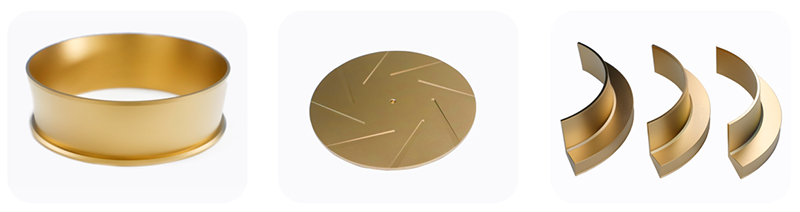
Semicorex offers high-quality solutions for crystal growth, including heaters, insulation, crucibles, and other parts that meet the highest performance standards with precision and reliability. If you have any inquiries or need additional details, please don't hesitate to get in touch with us.
Contact phone # +86-13567891907
Email: sales@semicorex.com
Email: sales@semicorex.com
The difference between plasma etching and wet etching
TaC Crucible for PVT method to grow AlN crystal