Silicon Components in Heat Treatment
2025-10-24
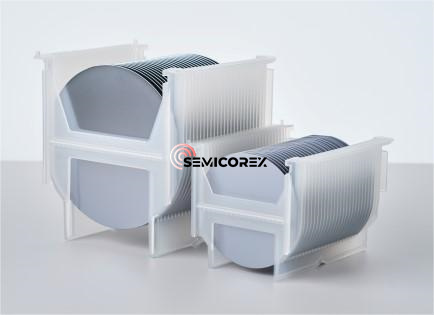
Chip processing requires numerous steps, including wafer cleaning, thermal oxidation, thin film deposition, photolithography, etching, ion implantation, annealing, diffusion, chemical mechanical polishing, and testing, ultimately resulting in a specific integrated circuit structure on the wafer. These semiconductor process steps place high demands on the semiconductor processing equipment and its components. Silicon components are widely used in etching and thermal oxidation processes due to their excellent thermal stability and low thermal expansion coefficient.
Silicon components are machined components and undergo processes such as crystal growth, slicing, grinding, drilling, polishing, cleaning, and inspection.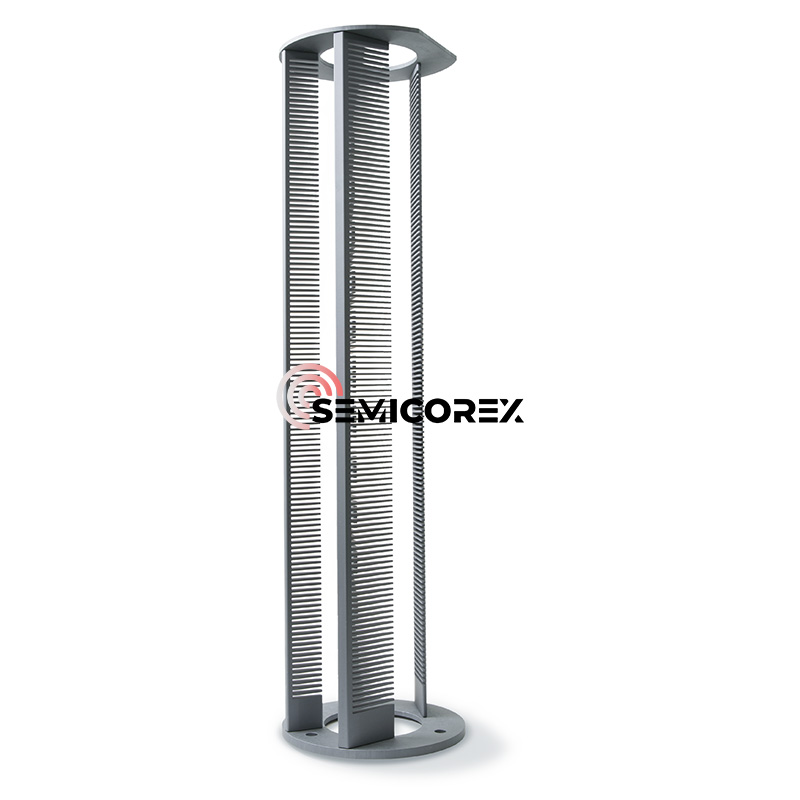
Silicon components are core consumables in semiconductor front-end wafer manufacturing, primarily used in etching, LPCVD, and heat treatment. Low-pressure chemical vapor deposition (LPCVD) equipment uses a heated (350-1000°C) and low-pressure (10-1000 mTorr) environment to cause process gases to react chemically on the substrate surface, depositing the reaction products as thin films. The reaction chamber of an LPCVD system primarily consists of a furnace tube. Wafers are fed into the furnace tube and heated to create the conditions necessary for the process gases to react, thus completing the film deposition process.
Heat treatment refers to manufacturing processes conducted in high-temperature environments, also requiring a furnace tube as the reaction chamber. In the semiconductor industry, heat treatment primarily includes thermal oxidation, diffusion, and annealing processes. Taking dry oxygen oxidation as an example, the oxidation process involves passing oxygen into a high-temperature furnace tube, where it reacts with silicon at high temperatures to form a silicon oxide film. High-temperature diffusion doping primarily involves heating to promote dopant diffusion from areas of higher concentration to areas of lower concentration, thus completing the doping process. During the ion implantation process, the ion beam can knock atoms from the silicon wafer out of the lattice structure, damaging the wafer. A high-temperature annealing process is required to return the displaced silicon atoms to their lattice points and repair the damage.
Common materials used in components of traditional furnace tubes are quartz and silicon carbide. Quartz can only be used at temperatures up to 950°C (with the risk of warping at 1000°C). Silicon carbide can be used at higher temperatures, but the lead time for finished products is long and the price is high. The thermal expansion rates of silicon carbide and quartz differ significantly from those of silicon wafers, making them susceptible to friction with the backside of the silicon wafer, resulting in scratches and other defects.
Silicon carbide and quartz components have certain limitations, which components made of silicon can effectively address. Silicon components can maintain high strength and ultra-high purity in high-temperature environments without causing damage or contamination to chips. Moreover, silicon components have the same thermal expansion coefficient as silicon wafers, which reduces the risk of friction and improves production yield. In the future, silicon components are expected to be widely used in furnace tube equipment.
Semicorex offers high-quality Silicon parts based on customers' needs. If you have any inquiries or need additional details, please don't hesitate to get in touch with us.
Contact phone # +86-13567891907
Email: sales@semicorex.com
Porous ceramic vacuum chucks
Related Article
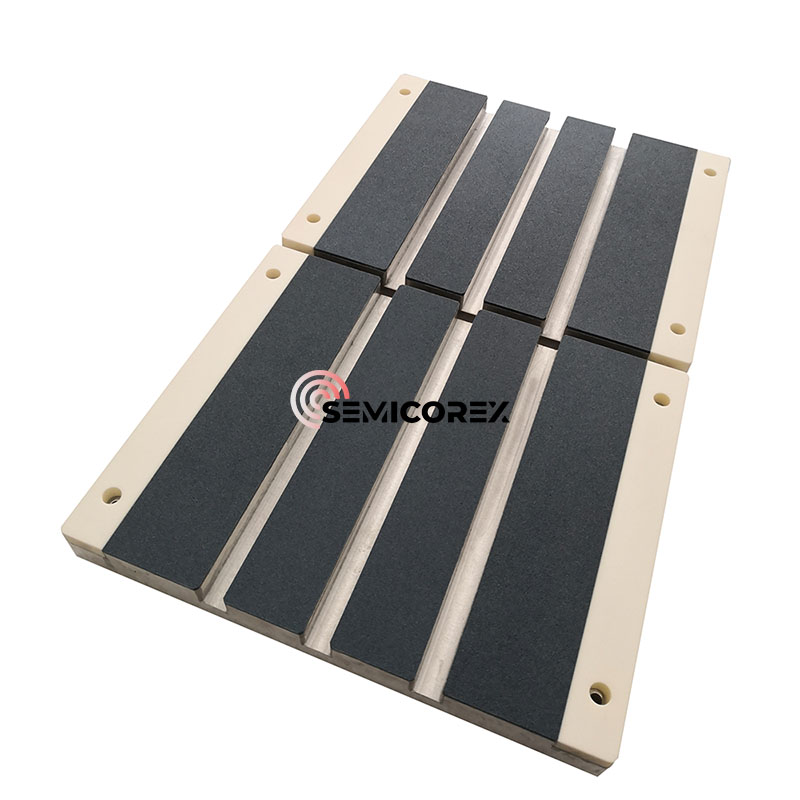
In recent years, with the continuous improvement of the performance and output of chip/thin-film electronic components such as solar cells, light-emitting diodes, semiconductors, and liquid crystal displays, there is an increasing demand for vacuum suction cups for component clamping that provide higher precision and performance.
Porous ceramic vacuum chucks
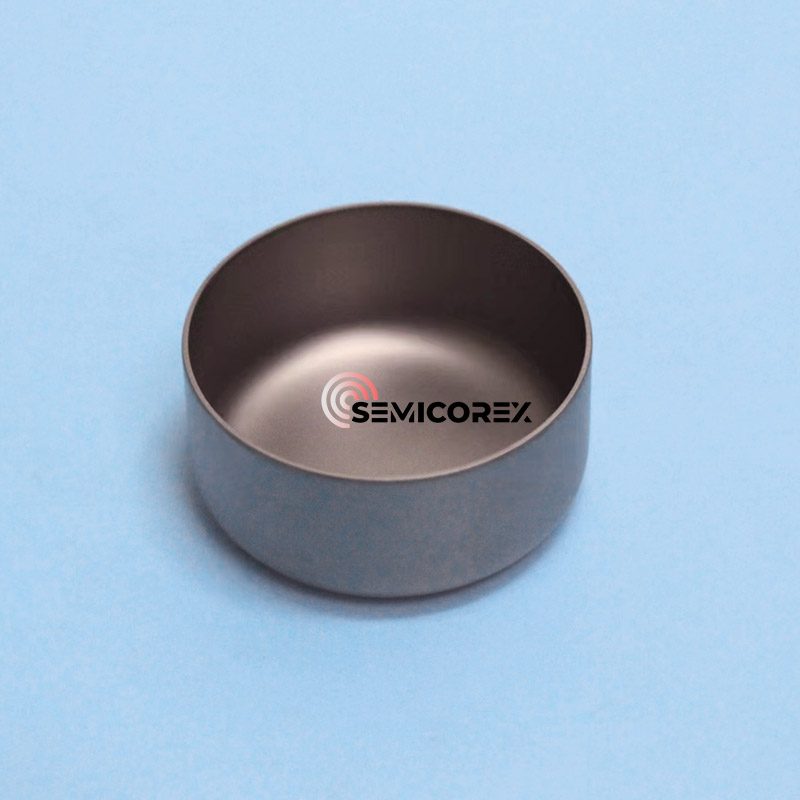
PBN crucibles are usually made by chemical vapor deposition using boron-containing gas (BCl3 or B2H6) as raw material.
What is PBN crucibles?