


TaC-coated Halfmoon
Quantity:
TaC-coated Halfmoon
The TaC-coated Halfmoon exemplifies a significant advancement in coating technology, offering superior material characteristics in LPE reactors.
Material Characteristics of TaC-coatedHalfmoon
Semicorex TaC-coated Halfmoon is produced using advanced coating techniques that enhance the properties of graphite materials. Two primary methods are employed for this purpose: sintering and Chemical Vapor Deposition (CVD). In the sintering process, tantalum carbide (TaC) powder, which contains an active ingredient (typically a metal), is combined with a binder, usually a long-chain polymer. This mixture is then applied to the surface of graphite material and subjected to high-temperature sintering. Alternatively, in the CVD method, a chemical reaction involving TaCl5, H2, and CH4 occurs at temperatures ranging from 900 to 1500°C to deposit a TaC layer on the graphite surface.
Core Advantages Over SiC Coating
The TaC-coated Halfmoon holds several advantages over traditional silicon carbide (SiC) coatings. One of TaC coating's most significant attributes is its exceedingly high melting point of 3880°C. This characteristic of TaC coating endows the TaC-coated Halfmoon with exceptional resistance to high temperatures and chemical corrosion. The TaC-coated Halfmoon can effectively withstand ammonia, hydrogen, and silicon or hydrochloric acid vapors, making the TaC-coated Halfmoon highly suitable for corrosive high-temperature environments.
Enhanced Durability and Maintenance of TaC-coatedHalfmoon
Another advantage of TaC coating is its impact on maintenance and equipment longevity. The growth rate of SiC on a TaC-coated surface is substantially slower compared to SiC growth on an SiC-coated surface. This slower growth rate mitigates the issues of excessive particle shedding and frequent maintenance cycles. Furthermore, the lack of strong chemical metallurgical bonding between excess SiC deposits and the TaC coating means that removing these deposits is more straightforward compared to dealing with homogenous SiC growth on SiC coatings.
Thermal Compatibility and Stability of TaC-coated Halfmoon
The TaC-coated Halfmoon exhibits superior thermal compatibility, owing to the similarity in thermal expansion coefficients between TaC coating and materials like SiC ceramics and graphite. This compatibility provides better high-temperature stability, positioning TaC coating as a more effective ablative coating, oxidation resistance coating, and wear-resistant coating compared to SiC. The TaC coating's thermal properties make the TaC-coated Halfmoon a reliable choice in applications demanding consistent performance under extreme thermal conditions.
Applications of TaC Coating
Semiconductor and SiC Epitaxy Equipment
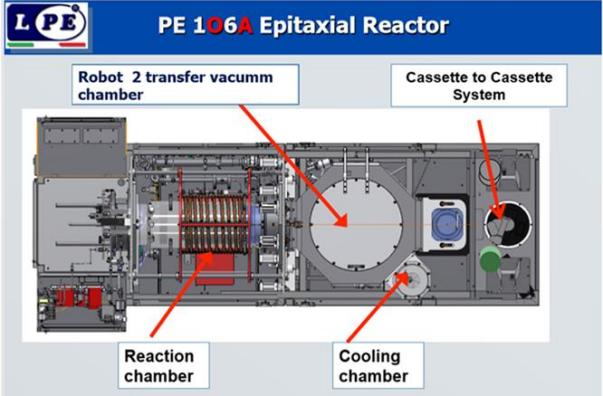
The TaC-coated Halfmoon finds its primary applications in semiconductor manufacturing, particularly in SiC epitaxy equipment. The TaC coating is utilized in various components to enhance their performance and longevity. For instance, it is applied to components such as gas float trays, silicon wafer trays, and rings. These applications take advantage of TaC coating’s stability and resistance to high temperatures and chemical exposure, ensuring reliable operation during the epitaxial growth process.
Protective Coating for Equipment Components
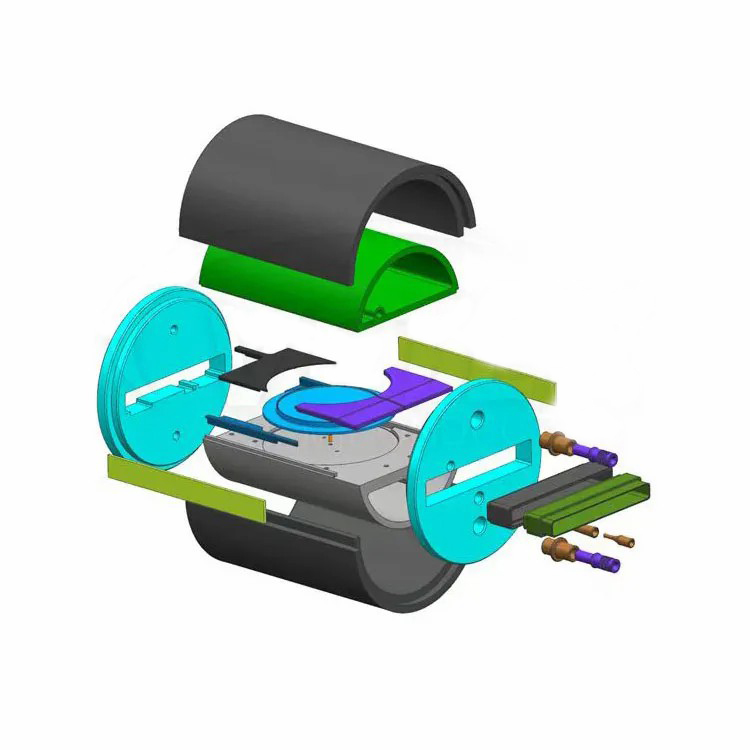
In addition to trays, the TaC-coated Halfmoon is used in other critical semiconductor equipment components. It serves as a protective layer on ceilings, upper half-moon heating seats, and top plates. The TaC coating provides robust protection against wear and oxidation, extending the lifespan of these components and reducing maintenance requirements. This durability is particularly valuable in environments with frequent exposure to corrosive gases and high thermal loads.
Guard Plates and Transition Pieces
The TaC-coated Halfmoon also plays a vital role in protecting upstream and downstream guard plates, lower half-moon heating seats, and transition pieces. The TaC coating’s resistance to chemical and thermal stress ensures these components maintain their structural integrity and functionality over extended periods. By preventing damage and degradation, the TaC coating supports continuous and efficient semiconductor manufacturing operations.
Recommend Products


