


Graphite Bipolar Plate
Quantity:
Graphite Bipolar Plate
Semicorex Graphite Bipolar Plate is an element in the design of fuel cells with great conductivity, thermal management, and structural resilience.
Material Characteristics
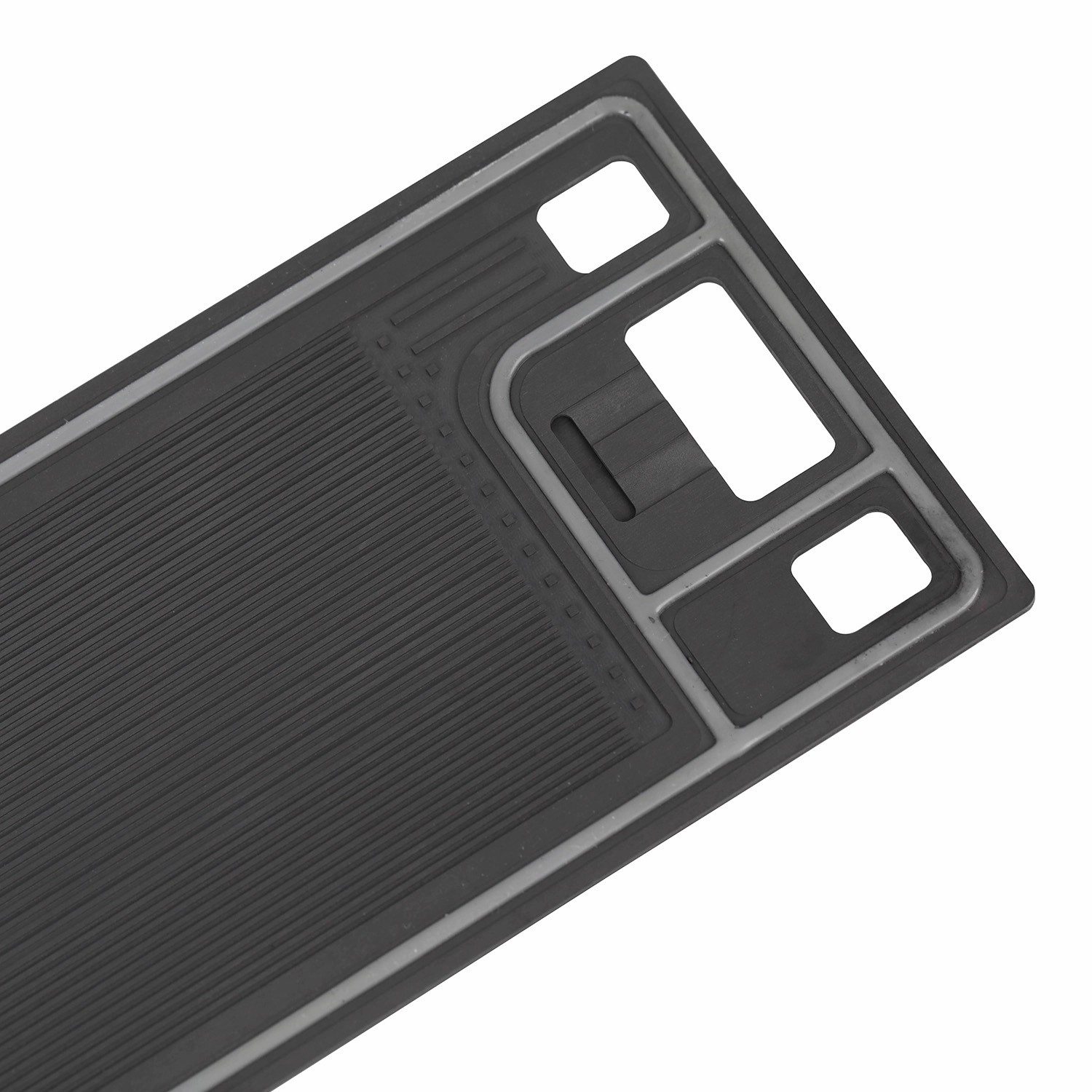
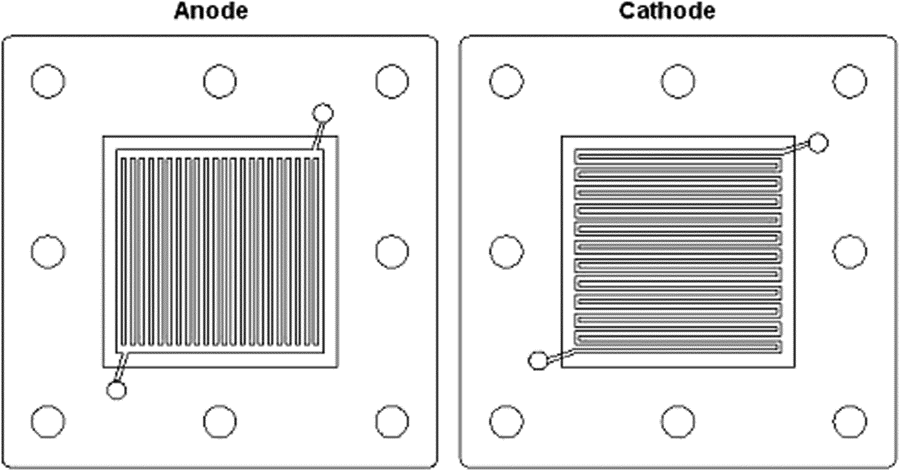
SemicorexGraphite Bipolar Plate is an integral component in the architecture of fuel cells, particularly within Proton Exchange Membrane Fuel Cells (PEMFCs) and Solid Oxide Fuel Cells (SOFCs). It plays a vital role in facilitating electrochemical reactions, ensuring efficient electron flow, and acting as a separator between individual cells within a stack. The design of these High-purity Graphite Bipolar Plates, featuring flow fields on both sides, allows one side to function as the anode plate while the opposite side serves as the cathode plate, hence the term “bipolar.”
Composition and Structure
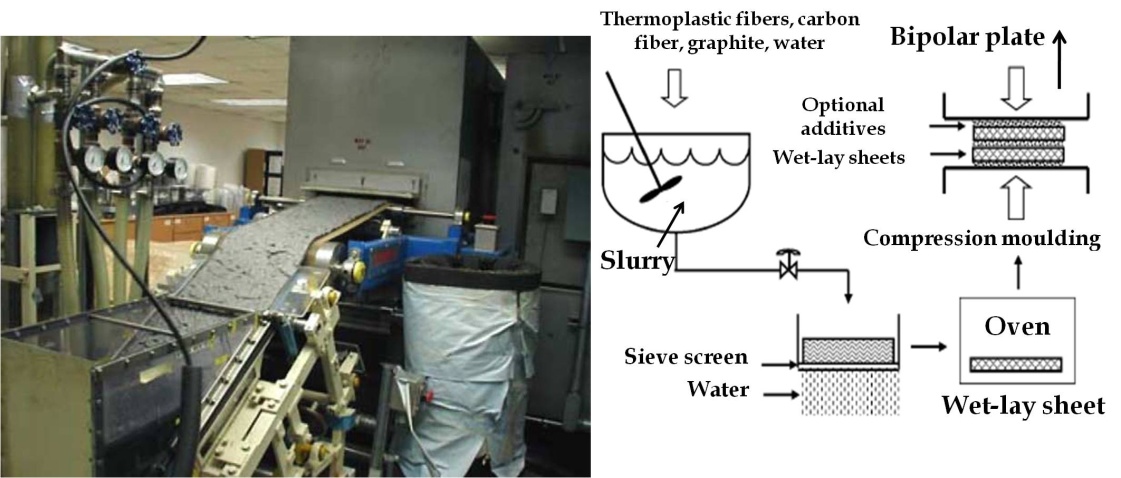
The Graphite Bipolar Plate is constructed from a high-purity graphite matrix, augmented by the infusion of high-performance resin to fill graphite micropores. This composition grants the plate excellent air tightness, superior conductivity, and stable performance over extended periods. The use of high-purity graphite ensures that the material can withstand the demanding conditions within a fuel cell, providing both resilience and reliability.
Conductivity and Thermal Management from High-purity Graphite
A key feature of the Graphite Bipolar Plate is its exceptional conductivity, which is critical for the efficient series connection of single cells within the fuel cell stack. high-purity graphite's high thermal conductivity facilitates the rapid transfer of heat generated during electrochemical reactions to the cooling fluid, ensuring the effective thermal management of the system. This thermal efficiency is essential for maintaining optimal operating temperatures and enhancing the overall performance of the fuel cell.
High-purity Graphite's Structural Strength and Durability
Graphite Bipolar Plates exhibit high strength, low density, and significant heat capacity. These attributes enable the Graphite Bipolar Plates to meet the stringent requirements for structural integrity, vibration resistance, power density, and low-temperature startup capabilities of modern fuel cells. The combination of high-purity graphite's properties ensures that the High-purity Graphite Bipolar Plates can endure the mechanical and thermal stresses experienced during operation without compromising performance.
Applications
The application of Graphite Bipolar Plates spans a wide range of fuel cell technologies, where they with the high-purity graphite substrate contribute to enhancing the efficiency, reliability, and longevity of the systems.
Proton Exchange Membrane Fuel Cells (PEMFCs)
In PEMFCs, Graphite Bipolar Plates are pivotal in facilitating the electrochemical processes that generate electricity. They provide the necessary interface for electron flow between cells and ensure the isolation of reacting gases and cooling water within each chamber. This impermeability from high-purity Graphite is crucial for maintaining the integrity and efficiency of the fuel cell.
Solid Oxide Fuel Cells (SOFCs)
Within SOFCs, the high thermal conductivity and strength of Graphite Bipolar Plates are particularly valuable. High-purity graphite supports the high-temperature operations typical of SOFCs and contribute to the efficient transfer of heat within the system. This capability helps in optimizing the overall energy output and stability of the fuel cell.
Specialized Processing and Design
High-purity Graphite Bipolar Plates benefit from specialized processing technologies designed to enhance their performance. A unique plugging process and an exclusive formulation of high-purity graphite modifier ensure zero leakage under operating conditions for more than 20,000 hours. Furthermore, advanced surface processing technology is employed to maintain contact resistance at or below 5 mΩ·cm², ensuring minimal energy loss during operation.
The development of large-area graphite bipolar plates has significantly improved the power per liter ratio, offering greater efficiency and power density. Additionally, a novel light milling process allows the Graphite Bipolar Plates to be manufactured as thin as 0.5 mm on one side and 0.8 mm when milled on both sides, contributing to reduced weight and enhanced compactness of the fuel cell stack.
Recommend Products


